You don't have a traffic problem. You have a storefront problem. I rebuild six-figure stores as headless Next.js storefronts — 90+ Lighthouse, green Core Web Vitals, and conversion that climbs out of the sub-3% trap. Same traffic, more revenue.
✓ Free 30-minute teardown · No obligation · You keep the findings
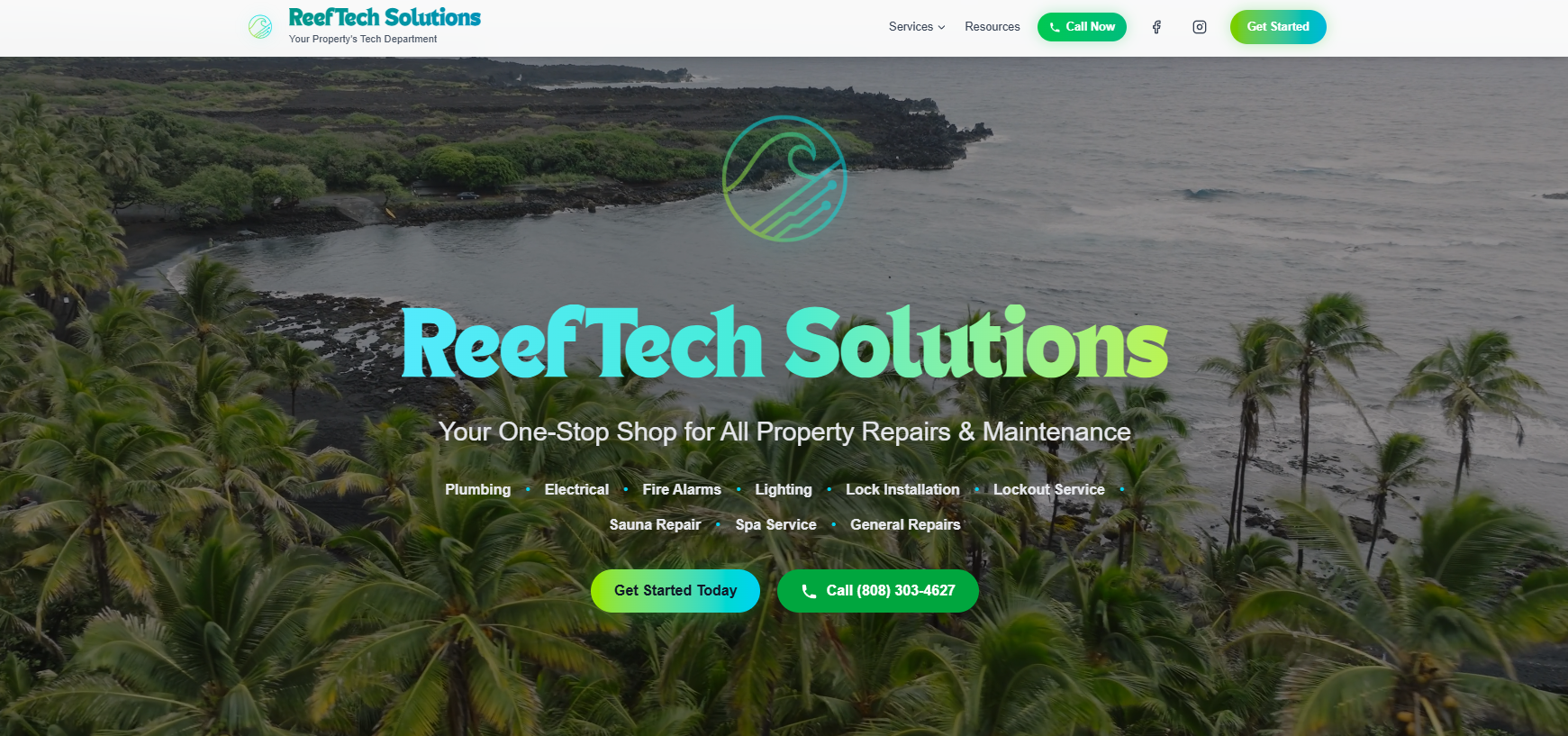
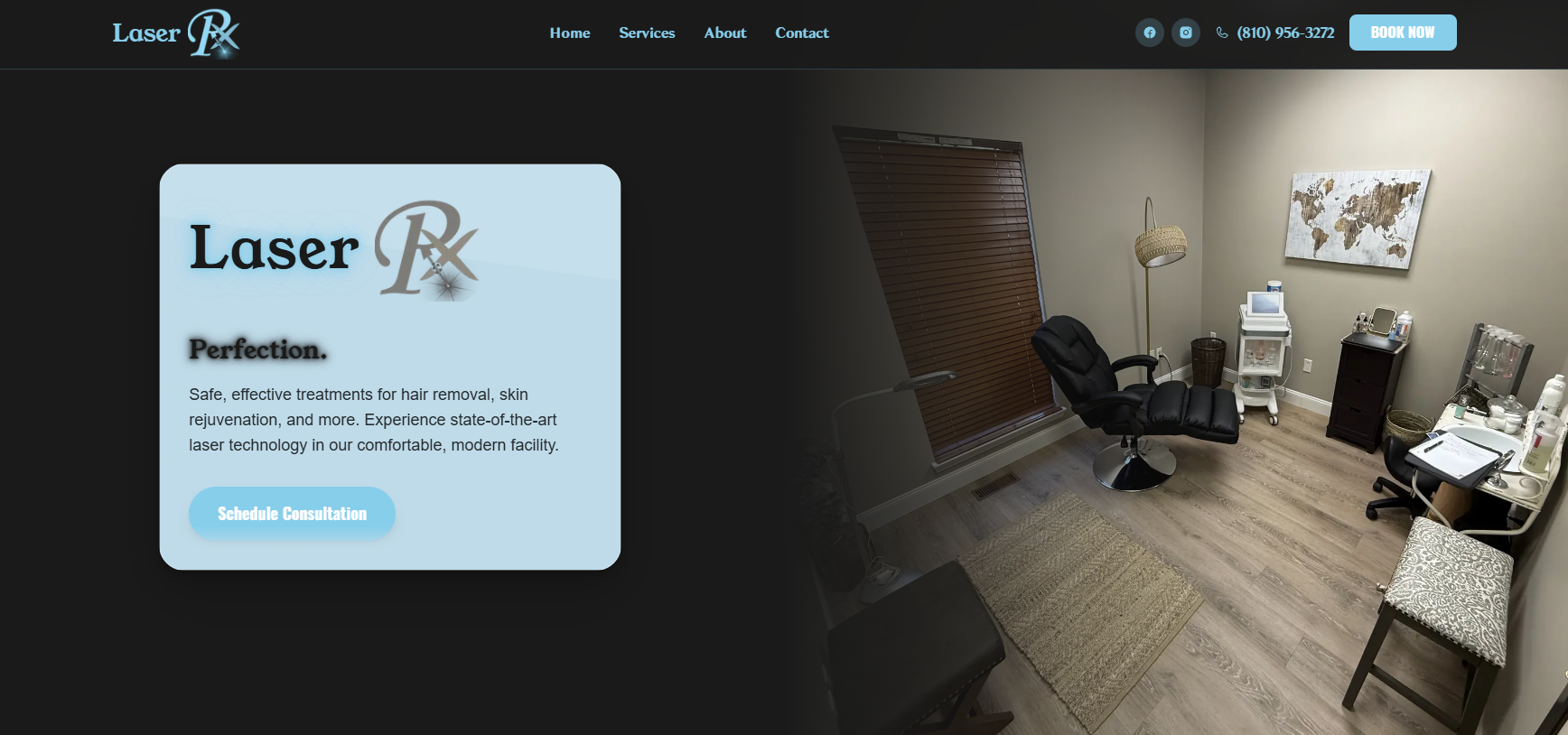
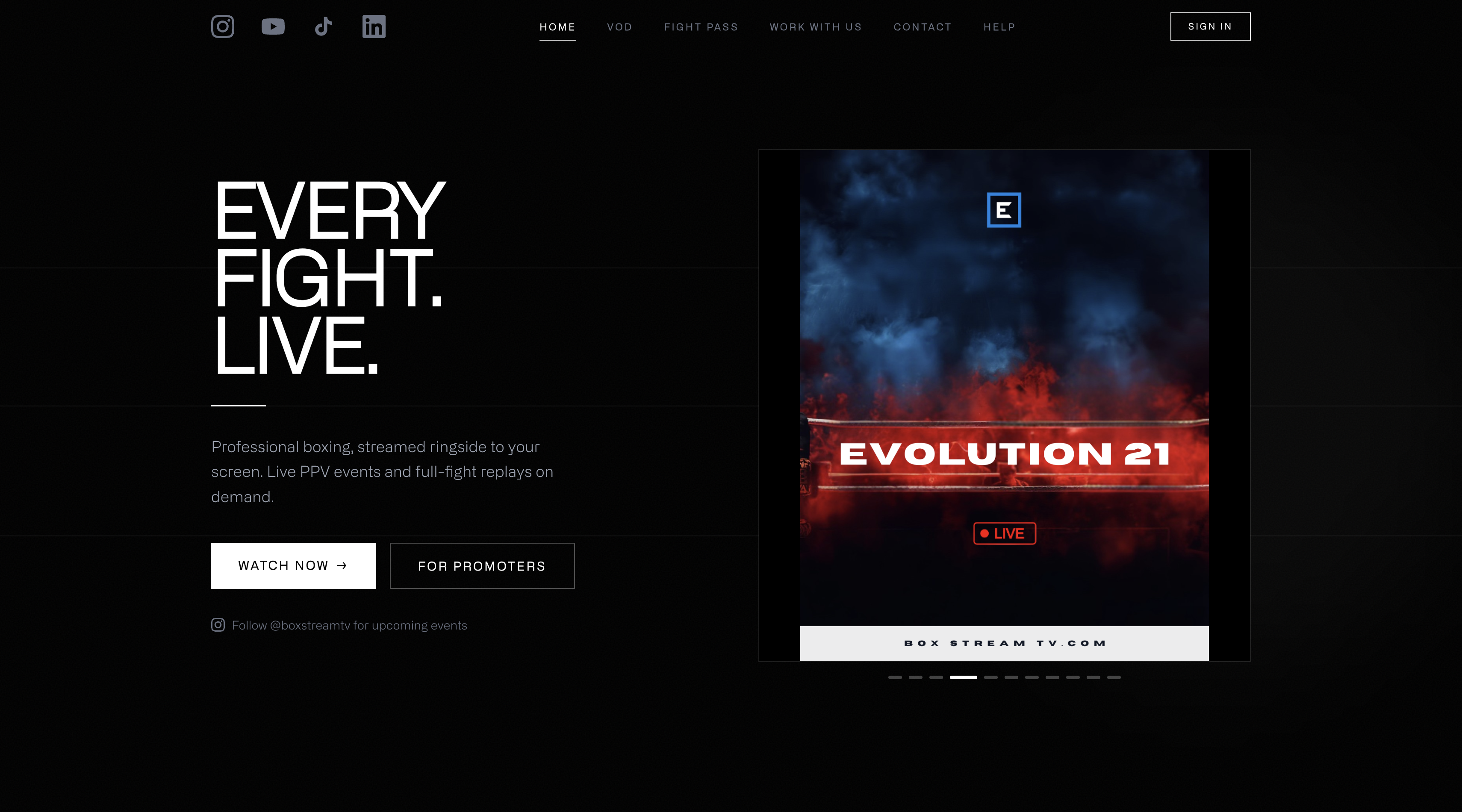
A spin through some of the sites we've designed and built.


Headless Shopify separates your store's front end from Shopify's built-in themes: Shopify still runs checkout, inventory, and payments through its Storefront API, while the customer-facing site is custom-built — usually in Next.js. Stores go headless to escape slow Liquid themes and design limits, gaining full control over speed and user experience, which typically lifts conversion rate and average order value.
By Hunter Coleman — Full Sail game-design grad & founder of Xtremery, a web design & development studio in DeLand, FL (44+ five-star Google reviews).
Updated
The plateau is real
The brand works. The traffic shows up. But the numbers stopped moving — and you already know why.
Every feature request comes back as "the theme can't really do that." Your roadmap is bigger than your platform allows.
You can't build the subscriptions, bundles and quiz flows that actually lift order value. So it sits flat while costs climb.
More ad spend, thinner margins. You're buying growth you should be earning from the visitors you already pay for.
A slow store and a leaky checkout quietly throw away orders you already paid to acquire. You can feel it in the analytics.
Here's the part that stings
The leak compounds. Every extra second of load time and every clunky checkout step is an order you already paid for — gone. No amount of ad spend fixes a conversion problem. You're not scaling revenue. You're scaling the leak.
The fix
I don't tweak themes or bolt on plugins. I rebuild your storefront from scratch in Next.js: no template, no script bloat, no shared speed ceiling. Just your brand and your logic, loading instantly.
Custom front end on Shopify's Storefront API — zero template constraints.
The custom commerce logic your theme can't touch, built clean.
A genuinely fast store — measured, documented, guaranteed.
Built around the two numbers that move revenue: conversion and order value.
| Themed Shopify | Headless / Next.js | |
|---|---|---|
| Site speed | slow | fast |
| Custom logic | capped | open |
| Conversion ceiling | <3% | lift |
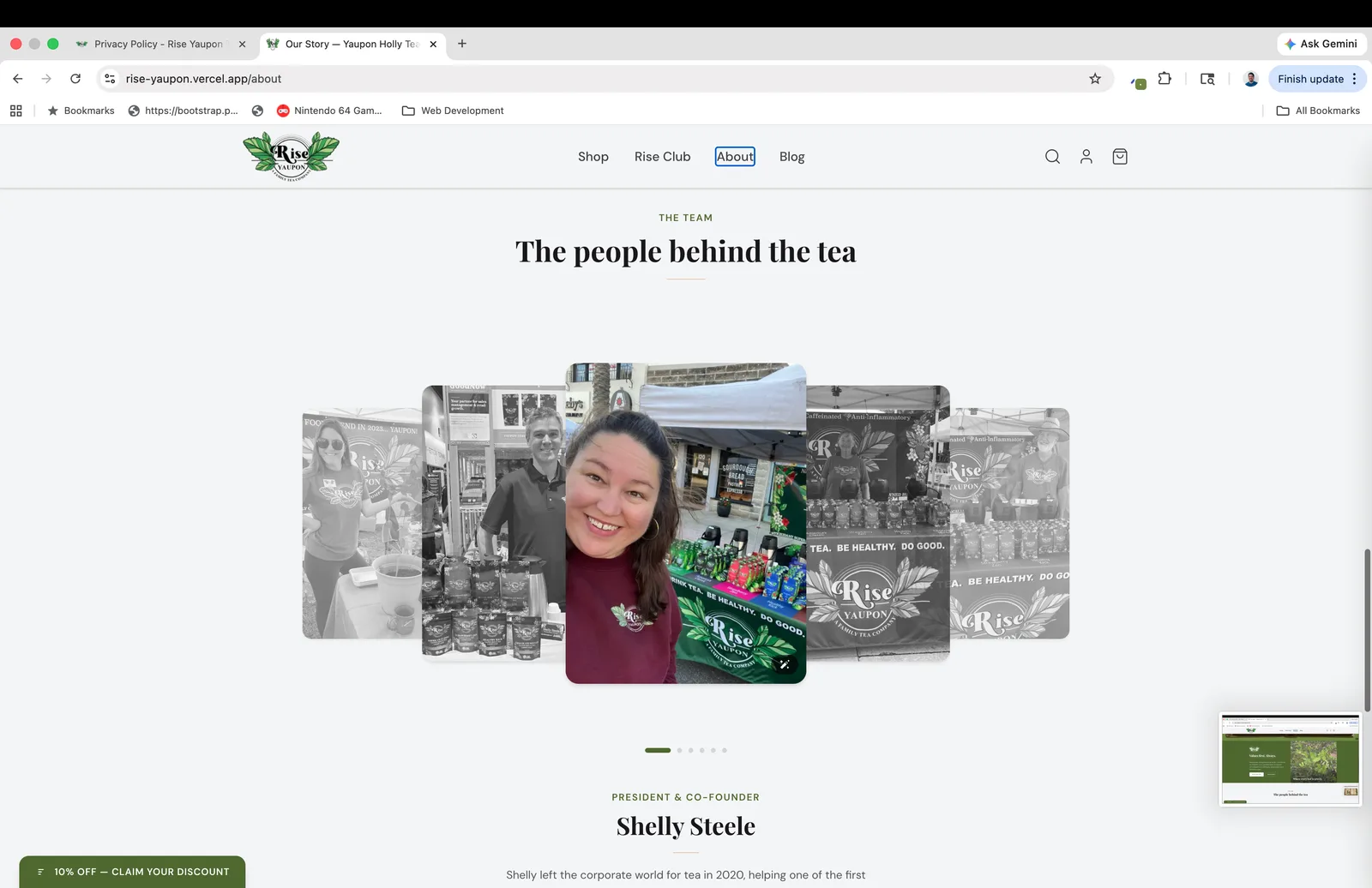
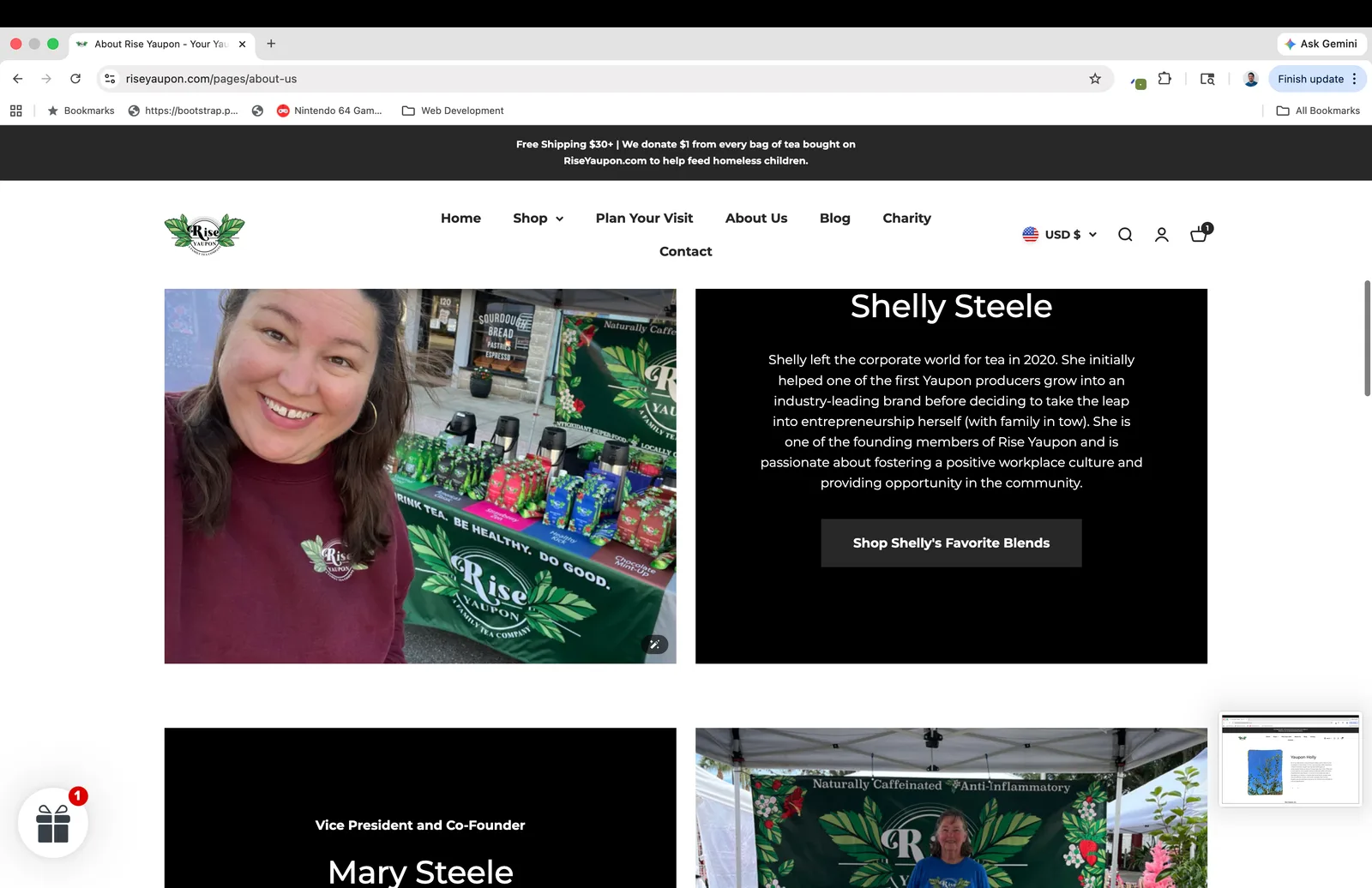
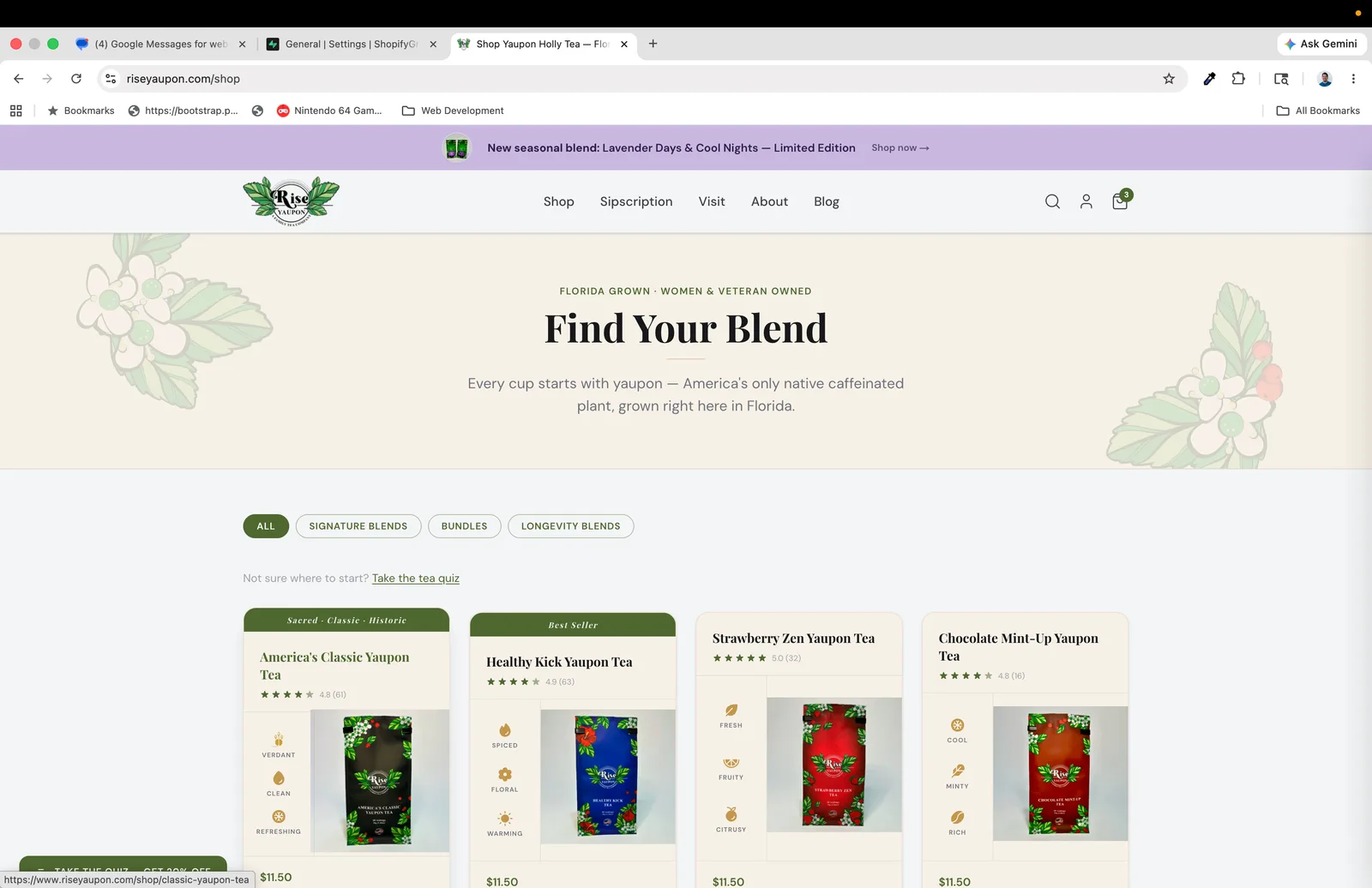
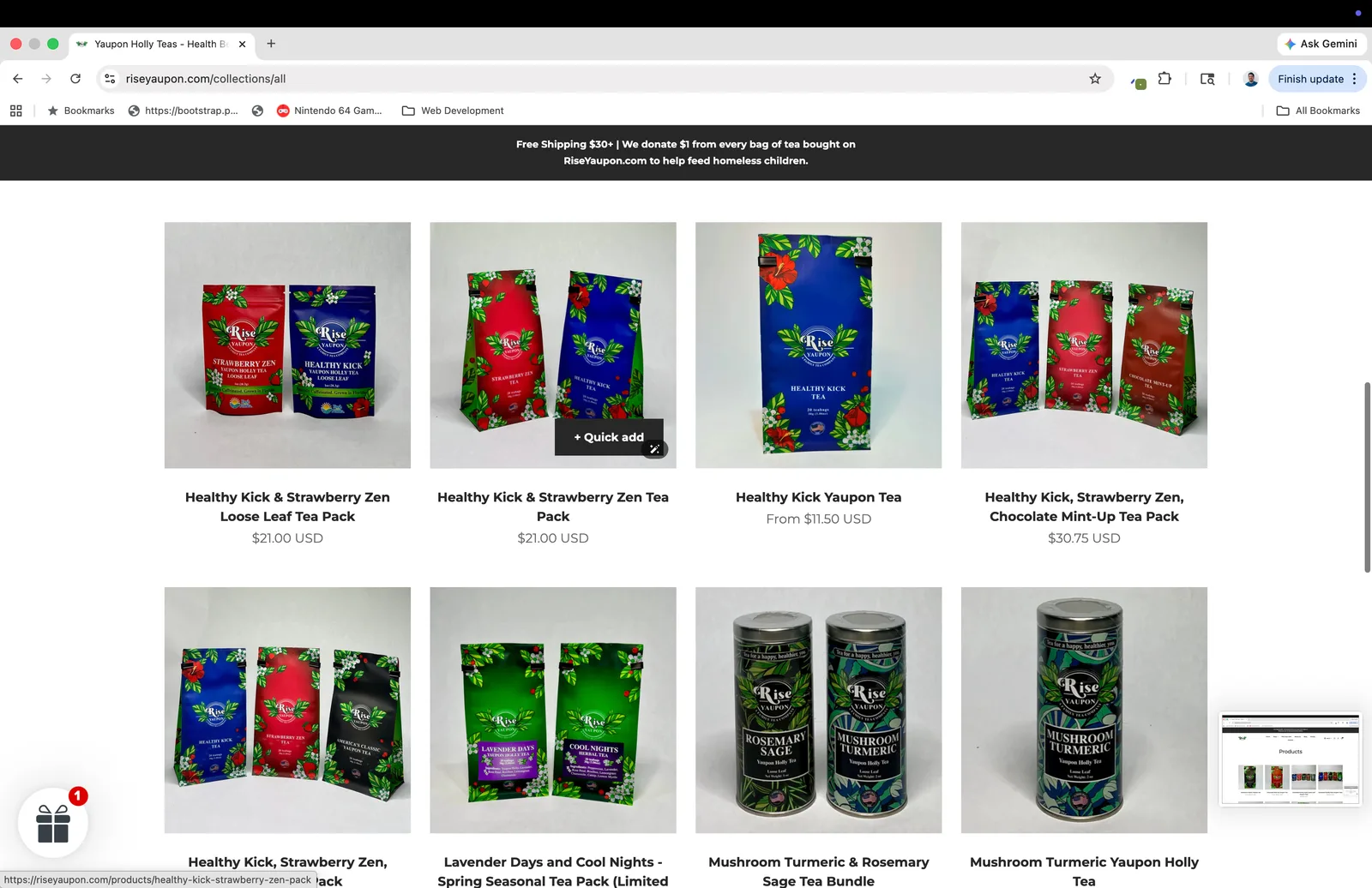
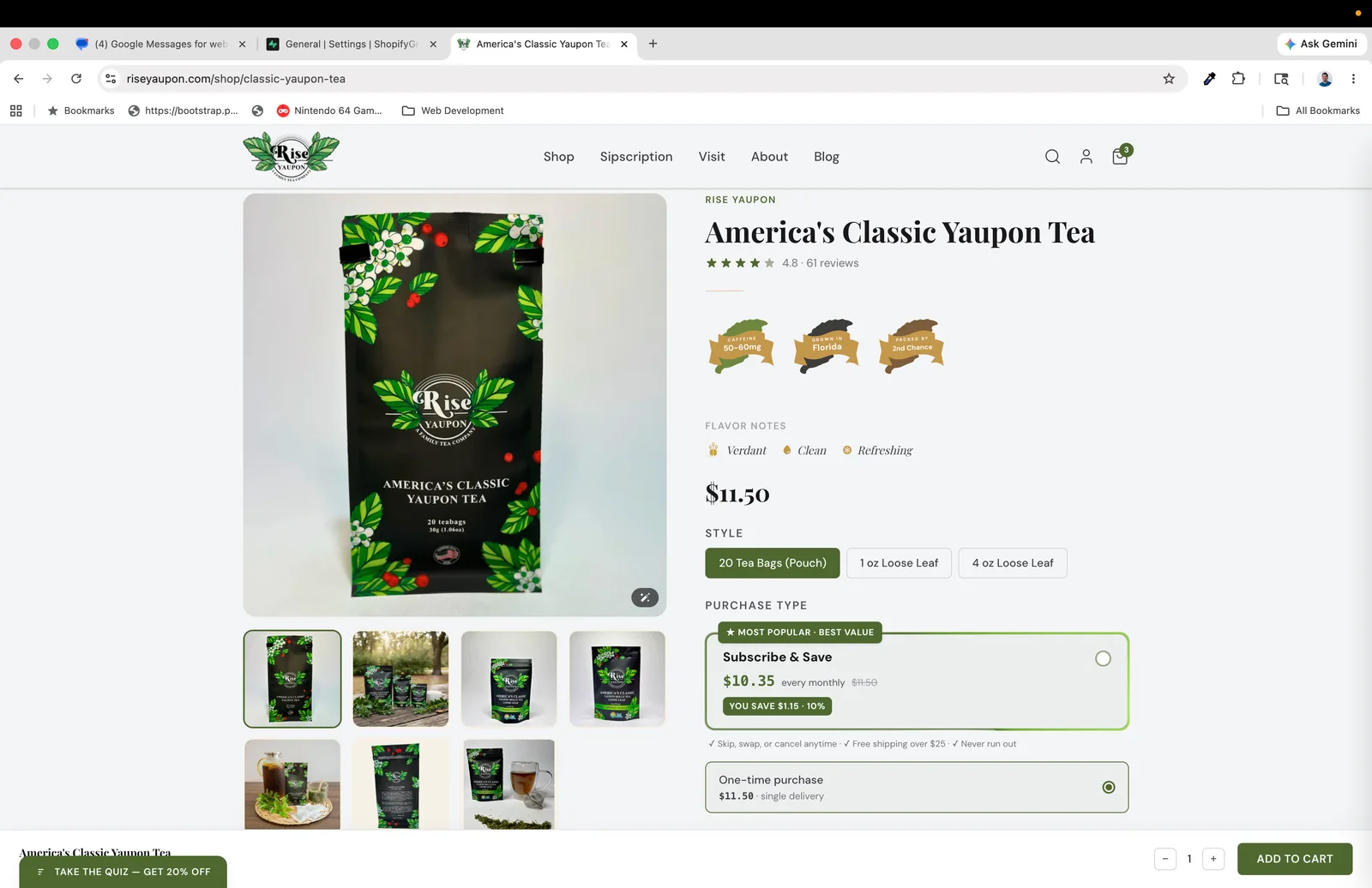
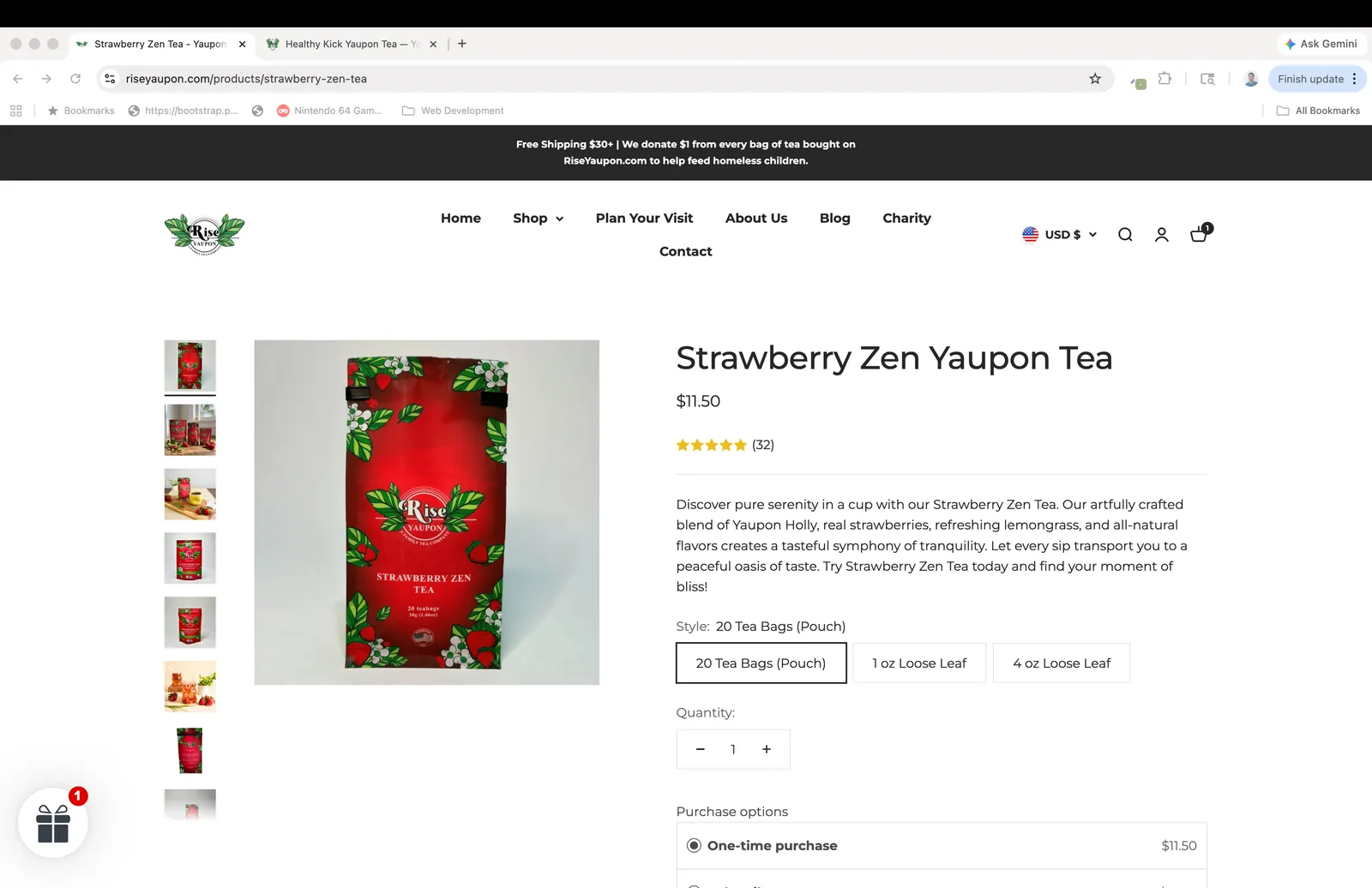
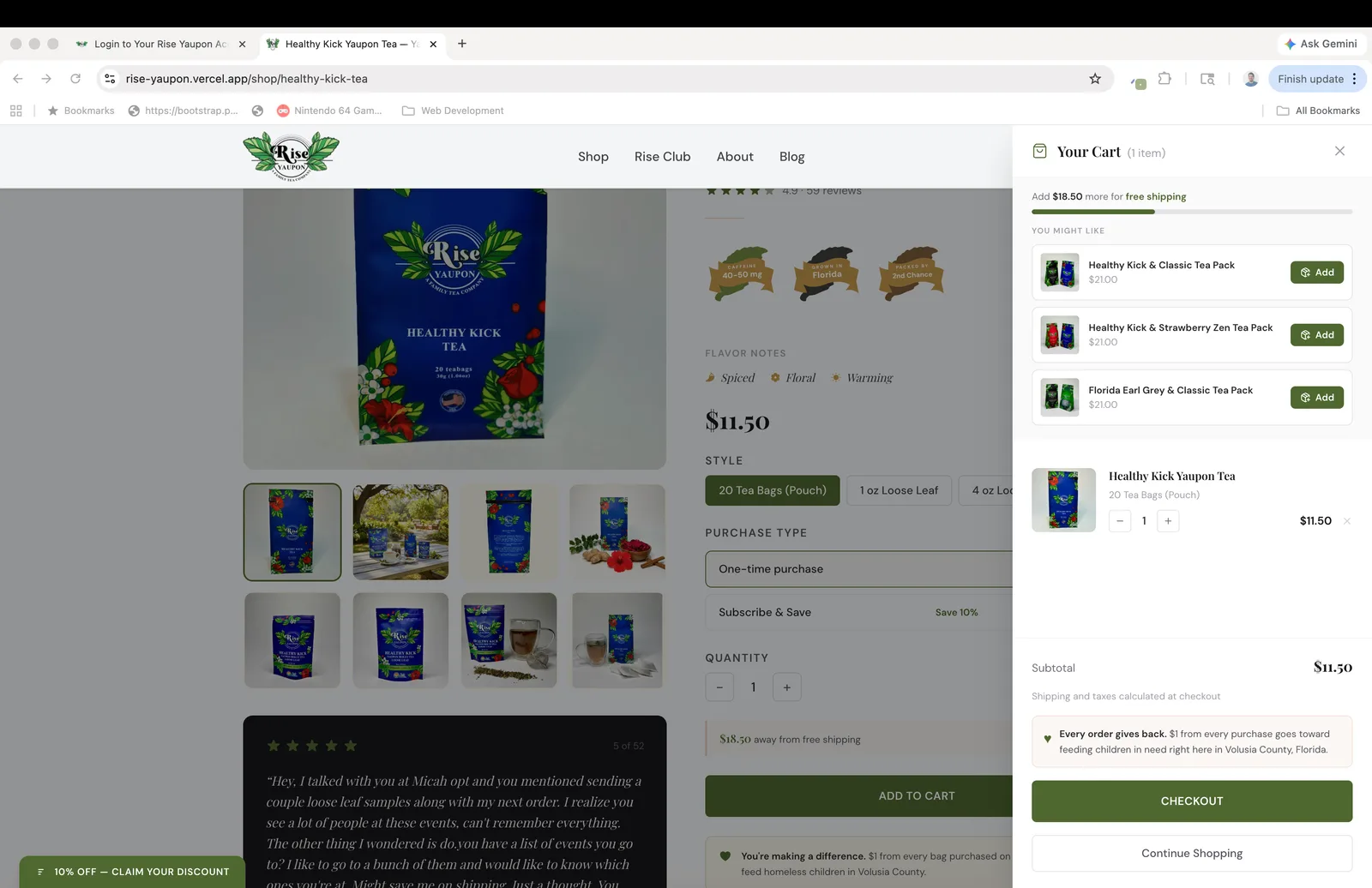
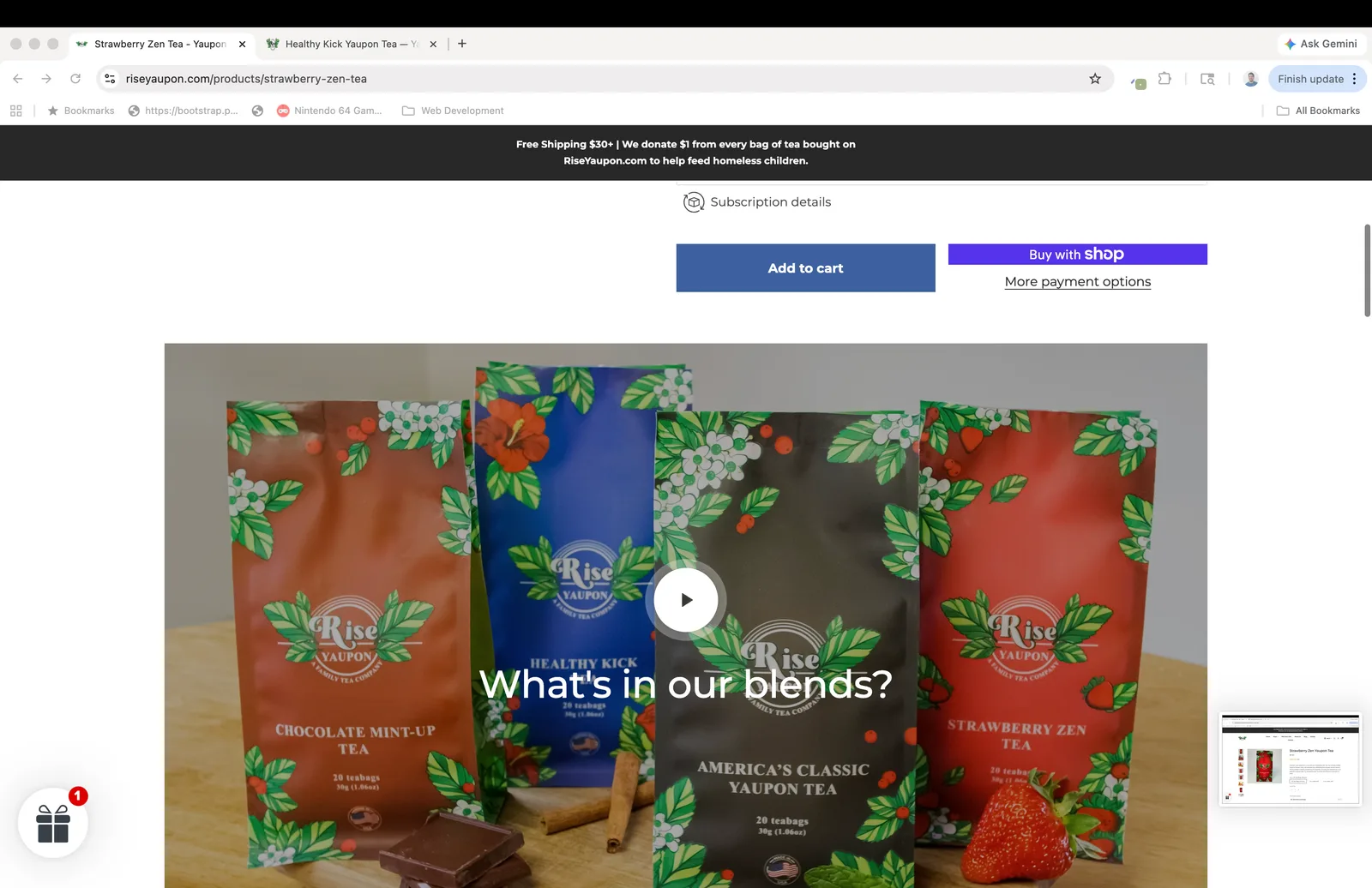
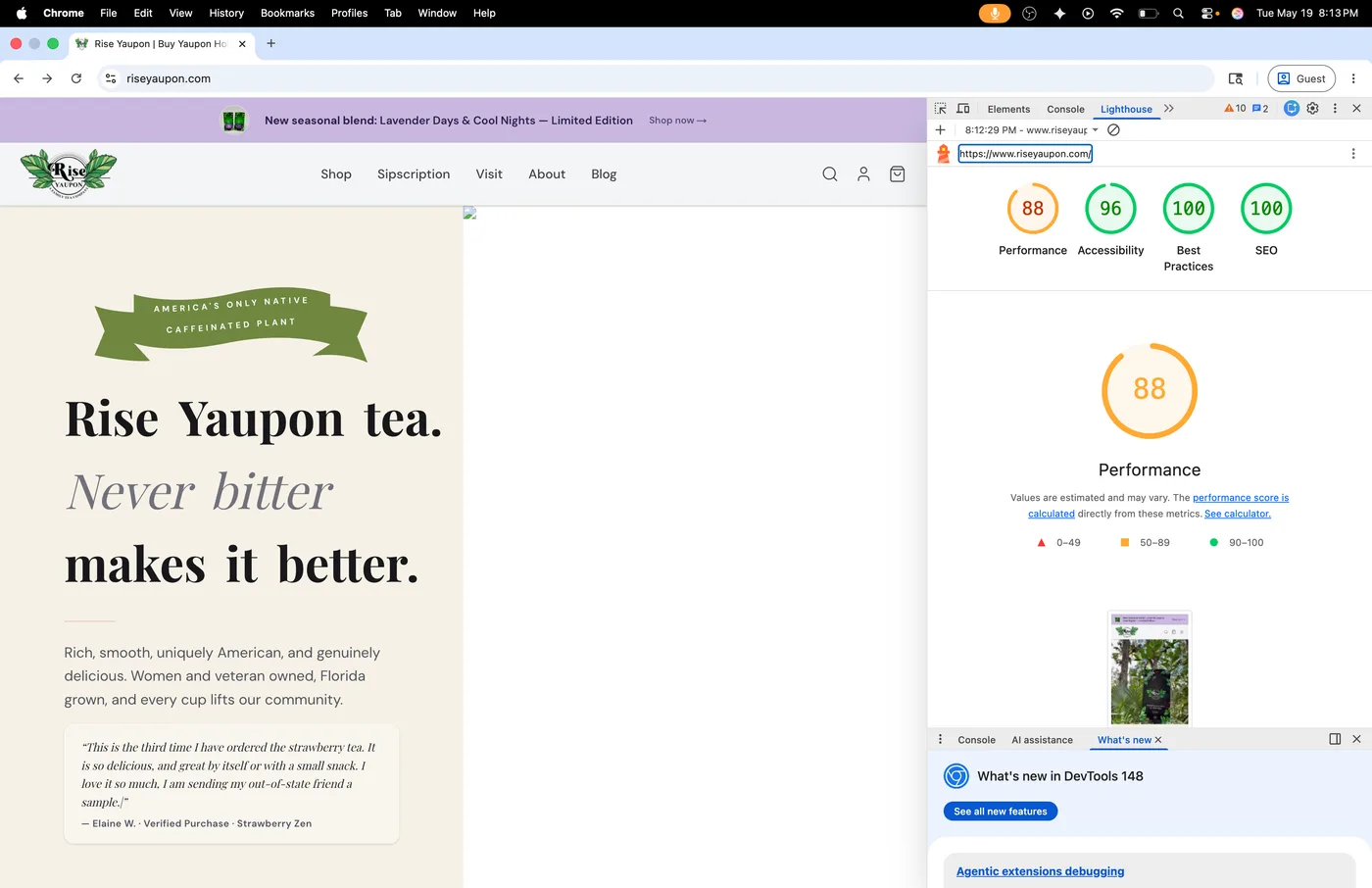
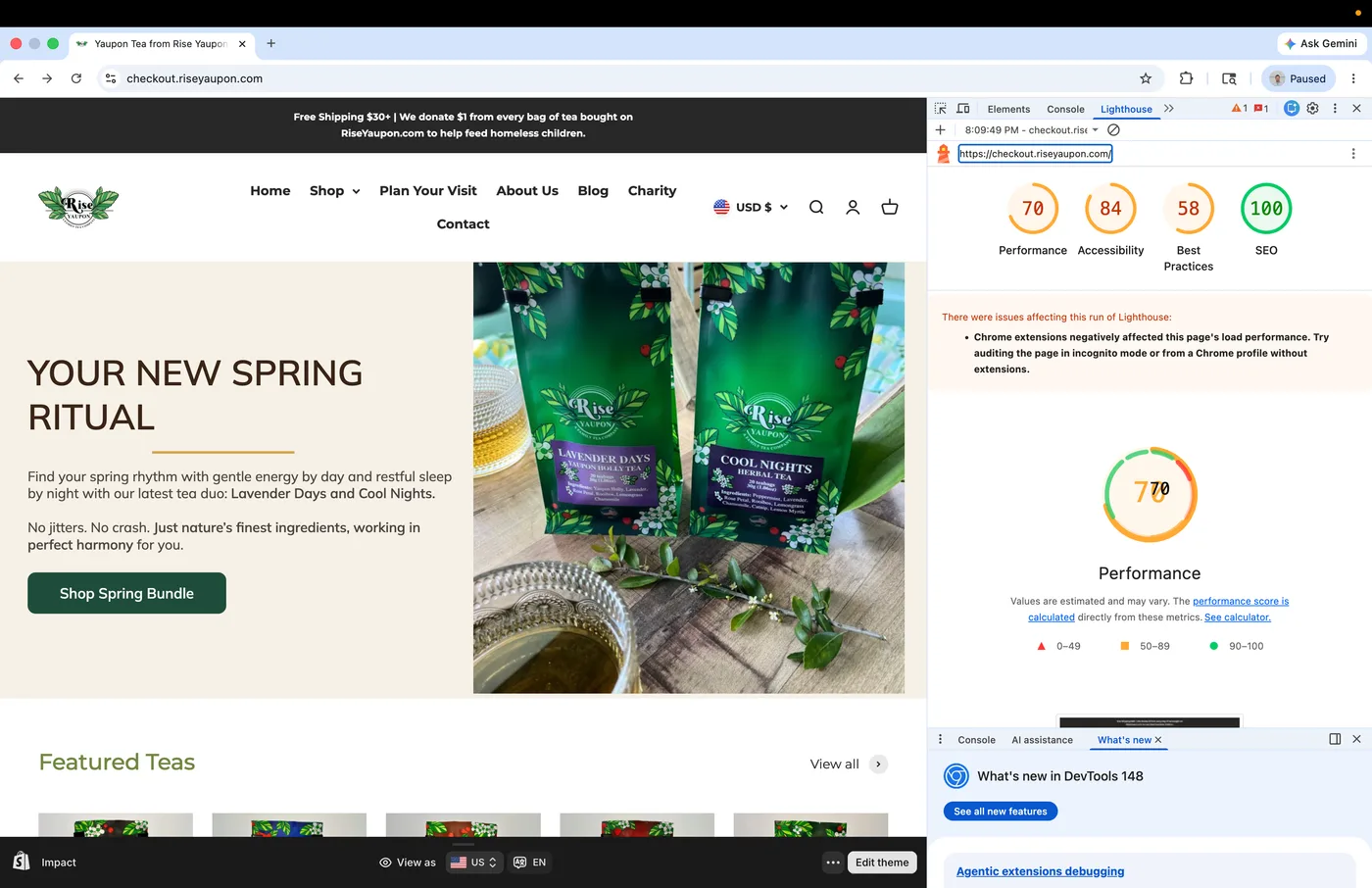
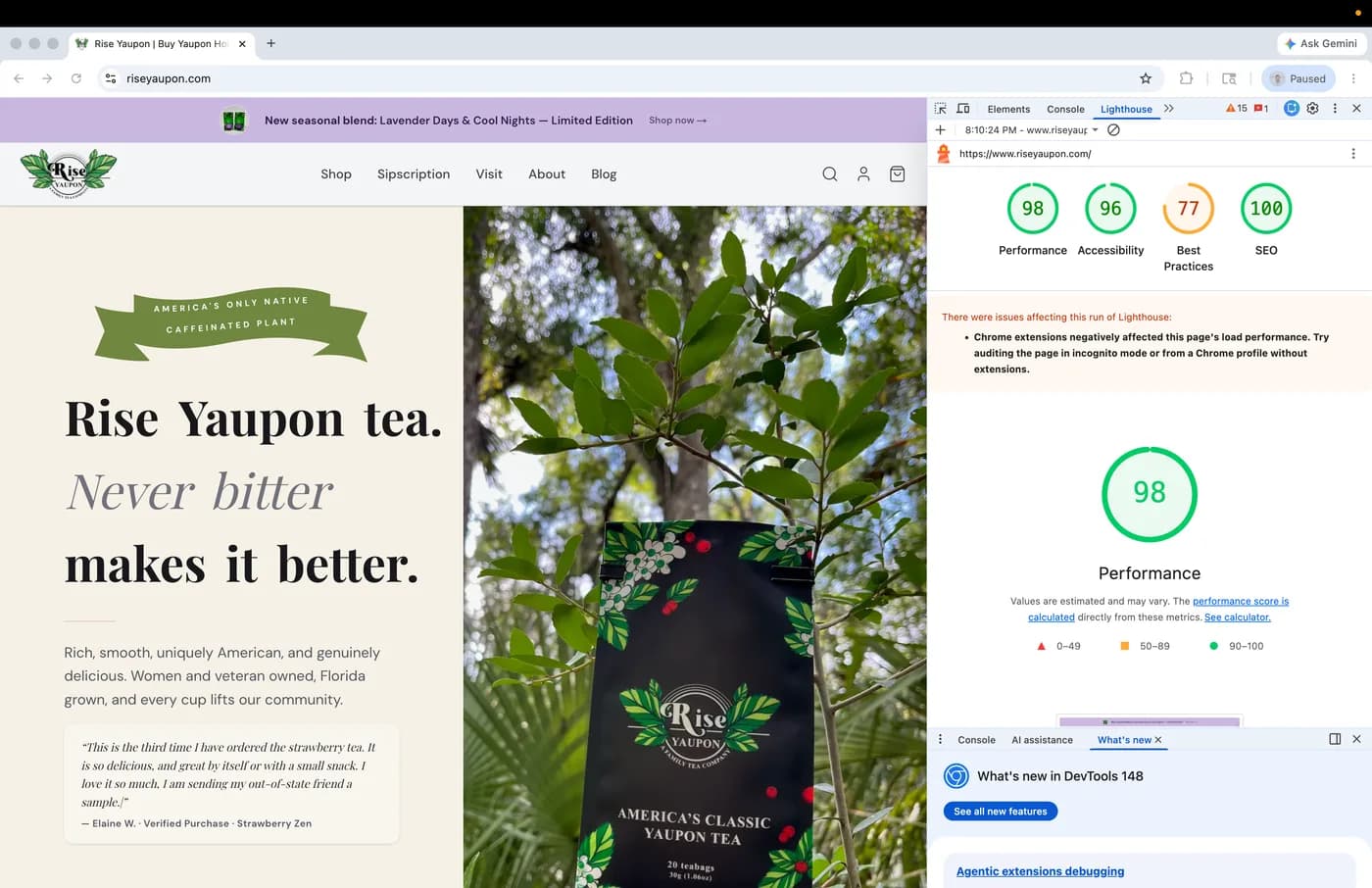
Here's what happened when Rise Yaupon rebuilt their Shopify store on Next.js.
Drag any tile right to peel back the old Shopify theme and reveal the new Next.js build beneath.
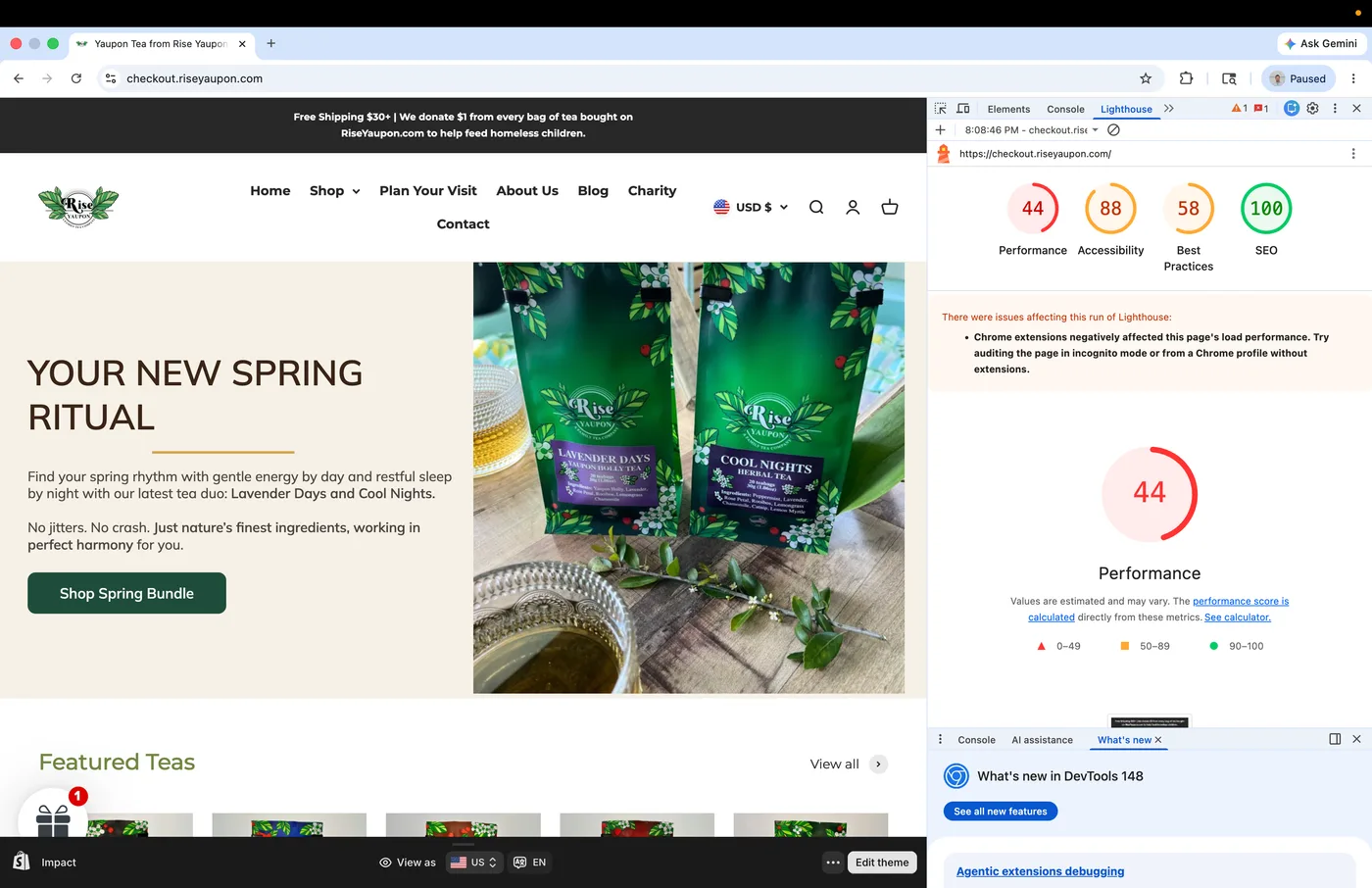
Raw screenshots, audited May 19, 2026. Same Lighthouse version, same device emulation, both runs.


| Metric | Before | After |
|---|---|---|
| Desktop Lighthouse Performance | 0 | 0 |
| Mobile Lighthouse Performance | 0 | 0 |
| Conversion rate | 0.00% | 0.00% |
| Average order value | $0.00 | $0.00 |
Lighthouse audits run May 19, 2026 (same Lighthouse version, mobile + desktop emulation). Conversion rate and average order value compare Rise Yaupon's previous quarter on Shopify to the first 14 days post-launch on Next.js — data continues to accumulate.


Shelly Steele
President & Co-Founder
Rise Yaupon ↗A real Xtremery client. Stack delivered: headless Next.js + Shopify Storefront API + Sanity CMS.
| Metric | Before | After | Change |
|---|---|---|---|
| Lighthouse desktop performance | 70 | 98 | +40% |
| Lighthouse mobile performance | 44 | 88 | 2× (+100%) |
| Conversion rate | 1.29% | 2.40% | +86% |
| Average order value | $31.52 | $42.43 | +35% |
The performance guarantee
If it doesn't, I keep working until it does.
Honest filters and real examples — not a generic pitch. Every claim below is something you can verify on riseyaupon.com.
Stock Shopify themes hide latency behind synthetic dashboard scores. Headless removes the Liquid render layer and the theme JS that blocks first paint.
With Xtremery Headless
Instant page transitions and zero theme-JS bloat. Mobile Lighthouse 44 → 88, audited the same day on both builds.
Liquid forces every page through a fixed template grammar. When the design you want doesn't fit Liquid, you either fight it with custom Liquid + app workarounds or accept a watered-down version.
With Xtremery Headless
Blog posts render product listings mid-content — a layout that takes contortion or paid apps in Shopify but is trivial in a Next.js component.
Apps solve common needs cheaply, but every app you add costs page weight, slows checkout, and locks behavior to someone else's design choices. Headless lets the merchant own the interaction.
With Xtremery Headless
Side-cart free-shipping progress UI ("add $X more to unlock free shipping"), persistent sticky add-to-cart on product pages, redesigned subscription experience with a clearer benefits hierarchy.
Full URL control, proper structured data, and real server-rendered pages — not "SEO mode" Liquid hacks. Search engines see the same markup users see.
Currency, language, and region treated as first-class architectural concerns instead of bolt-on apps that fight the theme.
Most agencies say yes to everyone. We don't.
Two steps. Zero risk to start.
$0 · no obligation
I tear down your current store and show you exactly where you're losing revenue — speed, checkout, AOV. You keep the findings whether we work together or not.
$20,000 · one flat scope
A custom Next.js storefront engineered for conversion and order value. One scope, one timeline, one outcome — backed by the performance guarantee.
I take one to two builds a month. That's it.
This isn't scarcity for the sake of it — it's a solo studio, and every build gets full attention. When this quarter's slots are gone, they're gone. The free audit call is how you find out if you're next.
Headless Shopify
Headless Shopify separates your storefront's front end from Shopify's themes while Shopify keeps running checkout, inventory, and payments through its Storefront API. The customer-facing site is custom-built — usually in Next.js — for full control over speed and design.
A full custom headless Shopify build typically starts around $20,000 and takes 6–8 weeks. If you're not ready to commit, a performance audit and roadmap runs about $1,500–$2,500 and tells you whether a rebuild is even worth it.
Most headless Shopify migrations take 6–8 weeks from kickoff to launch: discovery and design, the build on Next.js plus the Storefront API, then analytics, DNS migration, and post-launch support. An audit-only engagement takes about two weeks.
Use Next.js if you want maximum flexibility, the largest ecosystem, and freedom to host anywhere; use Hydrogen if you want Shopify's own React framework tightly integrated with its Oxygen hosting. For most stores, Next.js plus the Shopify Storefront API is the more future-proof choice.
It's worth it when slow load times or theme limits are actively costing you sales — a faster custom storefront can lift conversion and average order value (one Xtremery rebuild went from 1.29% to 2.40% conversion). If your store loads fine and a good theme covers your needs, invest in traffic first.
Before you ask
It's not a website — it's a revenue system. On $100K/month, moving conversion from 1.3% to 2.4% on the same traffic pays the build back in weeks, then compounds every month after. The free audit shows you that math on your actual numbers before you commit a dollar.
Fair. Start with the free audit. If a headless rebuild won't move your numbers, I'll tell you straight — even if it costs me the project. Founder-led, direct, no account managers.
Last thing
Free 30-minute teardown call. No obligation. You walk away with a prioritised fix list either way.
44+ five-star Google reviews